

Yorkshire-rooted straight-talking solutions.

Finding solutions, fixing problems, and making things work.

Incorporating environmentally positive construction.

Work directly with real people who know their stuff.

The starting point to any scheme is the client consultation where we’ll discuss your needs, wants, and hopes for a space. The design team will use the session to gather information about key elements of the brief: your preferences, functionality, aesthetics, budget, timescales, and any problems we need to resolve. Doing this at the start of a project creates a clear vision and ensures that the transformation of the space is a collaborative process.
×
Drone technology allows us to survey the buildings and entire site from the air, providing us with vital insights that would previously have been very difficult to access. It also allows us to easily check on the progress of works from a bird’s eye perspective. We can also offer you pretty pictures of your finished development for the company brochure, if you want them! We have our own drone and Associate Joe Hobson is a Civil Aviation Authority insured and licensed drone operator.
×
A topographical (topo) survey is essential for determining the physical features of a piece of land before building on it or adapting existing structures. It creates an accurate assessment of factors such as boundaries, surfaces, and gradients. Types of survey will differ (depending on the land) but all will provide you with a meaningful analysis of the characteristics of the land and any limitations they create. Topo surveys must be undertaken by specialist topographical surveyors. We can advise on and coordinate this on your behalf.
×
A schematic layout, or zoning plan, is often one of the first things we do to start planning a space. It maps out the relationship between key areas and improves the flow from one part of it to another. You could describe it as more ‘vibes’ based than a more technical spatial plan, but it is a great starting point to quickly map out the space and determine things like high traffic areas and the building’s assets that we will then work with to deliver maximum benefit.
×
Following a client consultation, the creative process begins to deliver the initial concept design. This is where the general aesthetic and spirit of a scheme is established. During this process, we explore ideas and think about key aspects such as themes, styles, the look and feel etc. We’ll also start our research, considering the industry, end users, and what can be achieved. A mood board is a tool that we can use to convey the overall feel of the initial concepts, bringing together things like materials, styles, colours, finishes etc.Following a client consultation, the creative process begins to deliver the initial concept design. This is where the general aesthetic and spirit of a scheme is established. During this process, we explore ideas and think about key aspects such as themes, styles, the look and feel etc. We’ll also start our research, considering the industry, end users, and what can be achieved. A mood board is a tool that we can use to convey the overall feel of the initial concepts, bringing together things like materials, styles, colours, finishes etc.
×
As interior designers, our primary job, before any aesthetic considerations, is to ensure that the space works well for its intended purpose and space planning is at the heart of that. Our expertise lies in making the scheme flow well; ensuring that furniture and infrastructure is positioned in an ergonomically smart way so that people can move around the space comfortably and efficiently. Not only will this ultimately ensure that the finished space works well, but it’s also an early process that informs feasibility studies and allows unnecessary investment to be avoided.
×
A feasibility study allows you to comprehensively evaluate the viability of an architectural project before committing significant investments to it. Viability is assessed from architectural, financial, and environmental perspectives. As well as the functional aspects of the build, it also includes some preliminary designs, allowing you to start visualising the outcome. The process could include a pre-application submission to the planning department for their opinion prior to a formal application. Conducting a detailed feasibility study protects you against the, often costly, ‘surprises’ that can come from not anticipating and taking steps to avoid the pitfalls that come from not being suitably prepared.
×
We can create a digital 3 dimensional representation of a scheme and present it as though walking through the space. This is an excellent opportunity to get a realistic feel of how the space works, discuss the proposal, and make live changes. It’s immersive, it brings the scheme to life, and it’s an efficient way of fine tuning the design to make it work for everyone.
×
Artistic visuals help to show the concepts in a meaningful way. They are a visual representation of the proposed scheme and could be digital or hand drawn. Among other things, they allow you to see design ideas in context, help with scale, and see the relationship between different furniture, fixtures, and equipment (FF&E).Not only do artistic visuals allow you to envision the ideas, but they are also an opportunity to explore options and make changes before any significant investment in design work, saving fees and time.
×
Photo-realistic Computer Generated Images (CGIs) bring a project to life like nothing else, creating a vision of the finished development or interior before a hard hat and hi-vis jacket has even been donned! Our CGI artists transform technical specs into hyper-real representations of what we can deliver.
×
There is a much-used phrase that applies to all design but was specifically coined for architecture: ‘form follows function’ and it’s something that we live by. Primarily, buildings and interios have to work so we listen to our clients when they tell us what the structure needs to do for them. For our commercial and industrial clients, this is often 95% of the brief. For residential projects, whether a housing development or a bespoke high-end dwelling, functionality and aesthetic appeal need to be finely balanced. We are equally skilled in both approaches and always client-led.
×
Master planning is about determining how a site can be developed, taking a wide range of factors into consideration. It incorporates much more than the development itself; making the connection between the buildings and their surrounding environments, including the community, social settings, sustainability, population, transport, and economy. This is a specialist service that we are able to offer for both residential and commercial projects.
×
Applying for and gaining the appropriate planning permission is a vital element of the architectural process; without it, you can’t proceed. Planning policy can be complex and, if not navigated correctly, can be time consuming and, sometimes, unsuccessful. We know planning. We understand the policies and the application requirements; in fact, we have a track history of securing planning permission on complex sites that initially seemed problematic.
×
Where the design concept is the creative, the drawing package is the substance. The drawing package consists of a series of construction level detail and specification that ensures that the delivered scheme is the design you signed off made real with no nasty surprises. This is a collaborative process involving all stakeholders.
×
Furniture, fixtures and equipment, or FF&E, is as it sounds: sourcing the furnishings for the scheme. This can encompass loose furniture and equipment, designing bespoke fixed furniture, designing wall and mid floor features, and joinery for the space. We work with a range of suppliers and manufacturers to keep up to date with current products, materials, trends, pricing, and availability.
×
Where the design concept is the creative, the drawing package is the substance. The drawing package consists of a series of construction level detail and specification that ensures that the delivered scheme is the design you signed off made real with no nasty surprises. This is a collaborative process involving all stakeholders.
×
There are multiple trades, suppliers, contractors, and consultants involved in any build. Sourcing the right ones is a central component of the process and doing that needs to be fair, transparent, and objective-driven. We can conduct tendering to ensure that each job gets the right providers in place to deliver on the scheme we’ve created.
×
Building regulations are simultaneously the rules that keep us safe and the requirements that give architects and builders headaches as they strive for compliance with ever-evolving specifications. Not a problem for us though, as several members of the team live for the minutiae and details of regulations, and standards so we’re all over them. That not only means that your development complies with (and often, exceeds) building regs but that we also know the strategies for working with regulations in ways that don’t compromise creativity, function, or budgets.
×
Contract administration is all about making sure everything happens according to the terms of the contract. When we take on responsibility for contract administration, you can be reassured that everyone delivers as agreed. That means providers are held to account, budgets are tightly managed, and deadlines are met.
×
You can look at all the CGIs, technical drawings, and artistic visuals you like but nothing allows you to see the true attributes of materials like materials board; a tactile collection of the actual materials specified. These are physical samples of the items that you can touch, contrast with each other, and view in different light conditions, ensuring no surprises later down the line.
×
Together with the key stakeholders, developing and agreeing to a set of design rules and specifications for record and assistance for future expansion. Like a recipe. There can be levels, for client reference, for example, it might be more top level with supplier lists etc for procurement processes - but if a main contractor is to build using the guide, construction level details will be required.
×
Project management is all about taking care of the whole shebang. It’s more than contract administration, it’s holding your hand through the whole process: managing all parties, making sure that things happen when they should and to the standards demanded. We also ‘sort stuff out’, because not everything goes to plan all the time and fixing s**t is all part of the service! Project management of a build removes the stress from you and gives you peace of mind that stuff is just getting done.
×
All projects that involve more than one contractor must have an appointed Principal Designer. It’s their job to advise and assist you on all aspects of health and safety on the project, starting at pre-construction phase. We can act as Principal Designer, ensuring that all parties comply with their responsibilities and that the build is safe for all working on it, all who may be affected by the works, and all who will use it once completed.
×
A design guide lays down clear guidelines for future expansion of any design scheme, ensuring that any supplier or contractor can deliver subsequent roll outs to the same rules and specifications as originally set out. Think of it as a recipe or set of instructions. The key stakeholders develop and agree these design rules, which can include several levels for different users. For example, for client reference, it might be top level with supplier lists etc for procurement processes. For main contractors delivering future builds, construction level details will be required.
×
The energy performance of any building that we design is a high priority to us; not because we are mandated to be energy efficient but because it’s the right thing to do. Energy integrity for the structure’s entire lifespan starts with how it’s designed. We are great believers in designing ‘fabric first’, ensuring that buildings are as air tight as they can be (you can put as many fancy heating systems as you want into a building but it means very little if much of the heat is allowed to leak out). This is the foundation of good energy performance. We design for all houses to be much greater than the minimum building regulations standards.
×
Where you locate your development is as important as what you put on it. It needs to be the right location, the right price, the right size, have appropriate access, and plenty of other considerations. We can use our industry knowledge and networks to investigate and source options for land that will work for your brief. Just as we can assist with land disposal, we can also support you to find the right site for your project. This can include introducing you to land owners (often enabling you to buy off-market), and conducting feasibility studies. In terms of planning, we can put your house types onto site to vary any existing planning permissions in place.
×
We can help to prepare proposals and obtain planning approval for a land owner so they can sell their site to interested parties. To make the site more marketable, we can create designs to widen appeal to a greater number of people. Due to our networks, we can also often introduce you to interested developers off-market, making the process simpler, faster, and more cost effective.
×
Accreditations: BSc (Hons) Architectural Technology, ICIOB – Incorporated Chartered Institute of Building, CIAT affiliate
Skills: Autodesk CAD, project management, specification writing, contract administration, principal designer, knowledge of building regulations, energy performance of buildings, designing for neurodiversity.
About Tony
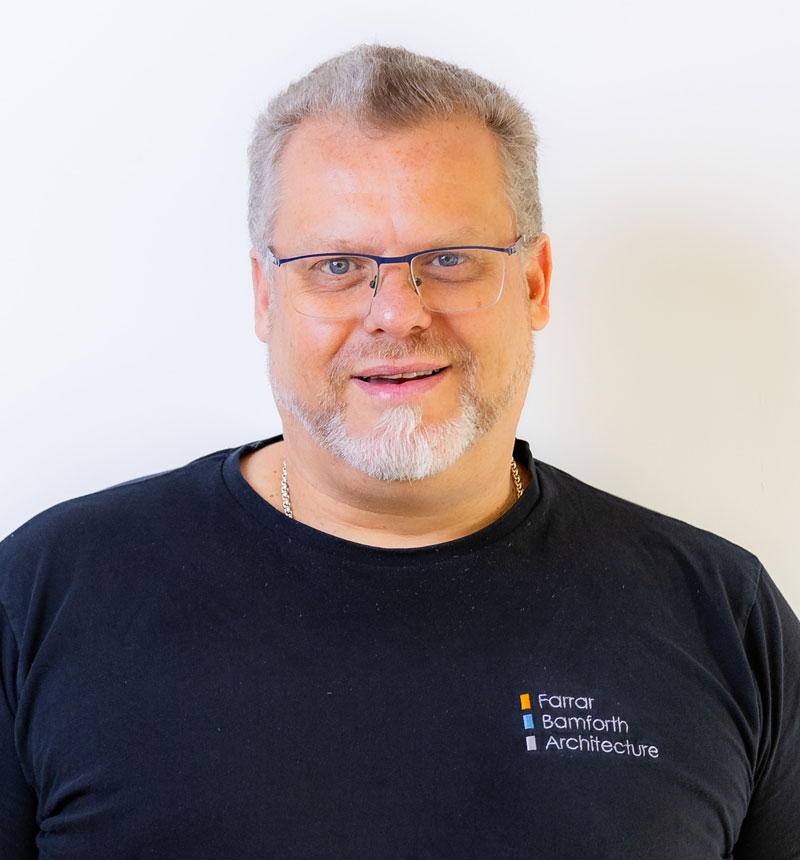
Tony is the Big Dog of Farrar Bamforth Architecture. Starting his career here in 1999, he acquired the business and became Managing Director in 2018. Tony loves process driven buildings; creating buildings that can make a positive impact on business performance and people’s lives. Tony takes an intuitive approach to architecture and can often be found in buildings waving his hands around to indicate where rooms should go. He’s also a ‘fixer’; solving problems and dealing with the difficult issues others would rather delegate. Think ‘Mr Wolf’ in Pulp Fiction but with building regulations rather than dead bodies.
In his many years with the company, his favourite project so far has been Berendsen Laundry in Durham. A £5million build and £5million fit-out, Tony was involved from start to finish and enjoyed the perfect combination of interesting job, great client, and good team of contractors and consultants.
And finally…
Tony’s favourite toast topping is two rashers of bacon, brown sauce, and another slice of toast. That’s a sandwich Tony (there’s always one 🙄). When not standing in buildings waving his arms around, he can often be found at heavy metal or Adam Ant concerts, supporting Wakefield Trinity, playing touch rugby, or watching bad car chase movies. Though not, apparently, the Fast and the Furious (too bad).
×
Accreditations: BSc (Hons) Architectural Technology, MCIAT, CSCS – Professionally Qualified Person
Skills: Autodesk CAD, Autodesk Revit / BIM, Contract Administration, Project Management, Principal Designer, Lumion / Twinmotion, SketchUp, Drone Operator and CAA licence holder
About Joe
As Associate, Joe is Tony’s right-hand man, playing an integral role in running the business and leading the team. Joe focuses predominantly on commercial and industrial clients and is a skilled project manager. Starting his career with Farrar Bamforth in 2010, he briefly went over to the dark side (Leeds) in 2015 but returned to the FBA fold in 2017 to take up a senior management role (and also because we’re awesome!). He introduced BIM and Revit to Farrar Bamforth and is the driving force behind our continued compliance and best practice in this area. His favourite project to date was the Magic Rock Brewery and Bar, in equal parts due to the creativity of the project and his love of beer.
And finally…
A lathering of high-end butter, Lurpak, is all Joe needs on his toast. Joe is a Civil Aviation Authority license holder and drone operator and, when he’s not working, enjoys following Huddersfield Town Football Club, music, travel, and time with the family.
×
Accreditations: BSc (Hons) Architectural Technology, ACIAT
Skills: Adobe Photoshop, Autodesk CAD, BIM / Autodesk Revit, Computer Generated Images (CGI), SketchUp, Twinmotion
About Nathan
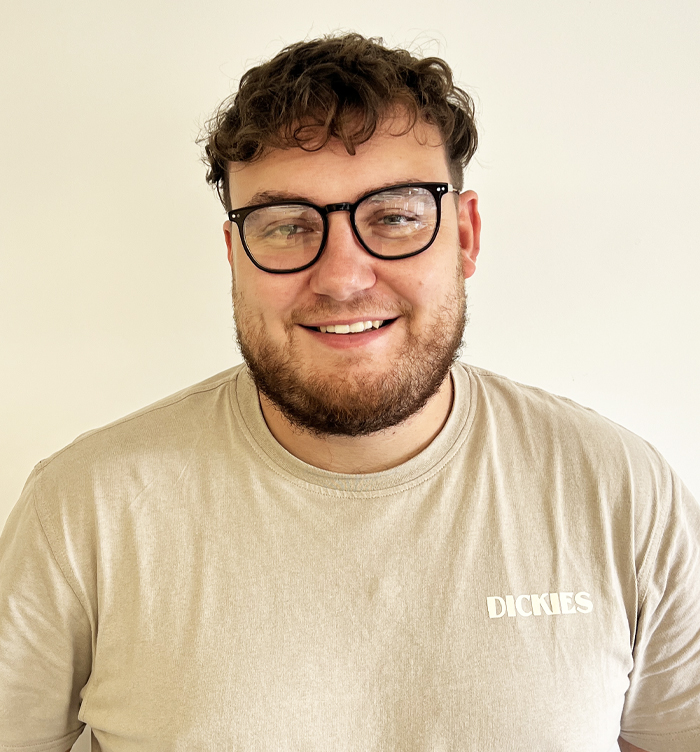
Joining us in 2023. Nathan is one of the freshest faces at Farrar Bamforth but he’s already making an impact. Nathan pursued a career in architecture due to a desire to create spaces that have a positive impact on both people and the environment and his favourite project so far was a residential development in Calderdale which made use of BIM to design a mix of dwellings on a multi-level site. He is also a regulation and policy enthusiast, and devoted to all the small details that help to keep us compliant. It was this attention to detail that helped secure him a promotion from Junior Architectural Technologist to Architectural Technologist in January 2024. See more here.
And finally…
Nathan’s favourite toast topping is… butter. In Nathan’s words “let’s make the world a butter place”. When not at work, Nathan enjoys baking cakes (more butter!) and then wondering where they’ve gone. We’re sure you feel ‘butter’ for knowing that 🙄
×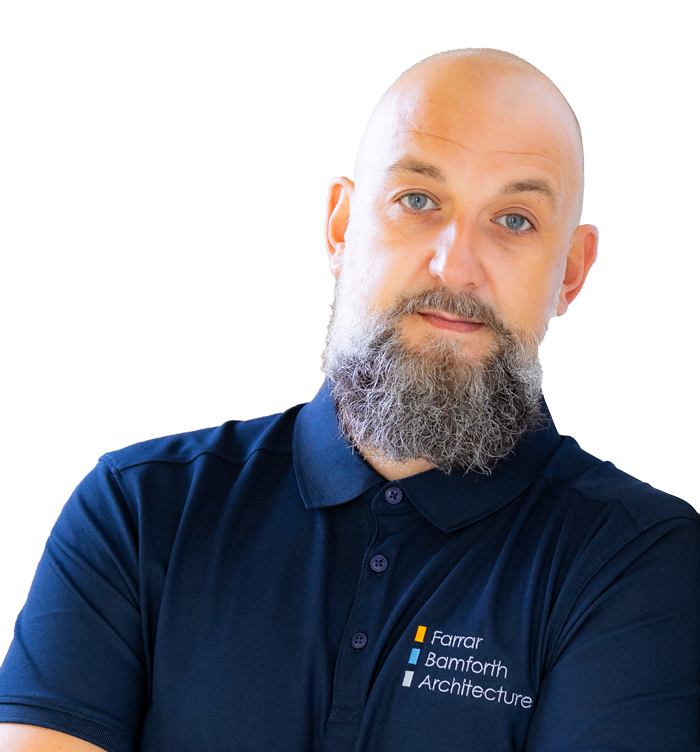
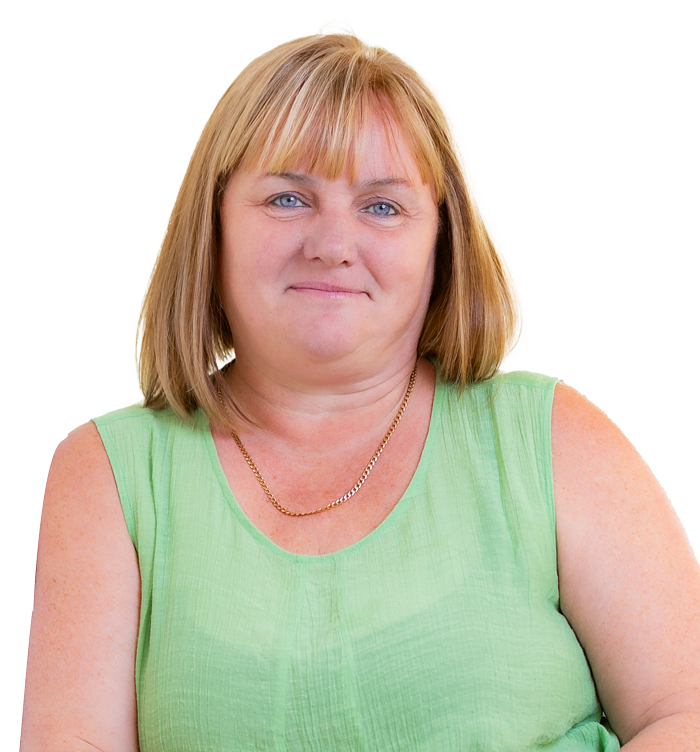
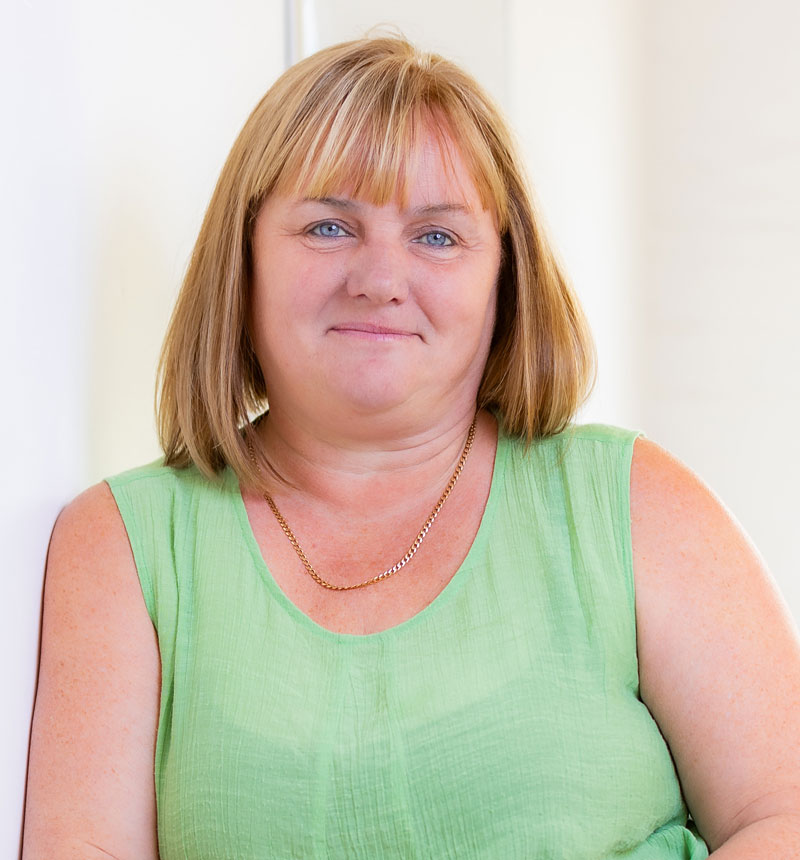
Skills: Sage, Microsoft Office, keeping us in line!
About Kirsty:
Kirsty has been with us since 2004 and while her job title may be Accounts Manager, she is so much more! PA to Tony and Joe, office manager/organiser, the one who simultaneously looks after everyone but also takes no prisoners when making sure our time sheets are submitted on time. Kirsty is often the first point of contact and there to offer a warm welcome. Whether you’re calling us on the phone or visiting our office, Kirsty will greet you with a cheery ‘ow do’ and a smile 😀.
And Finally:
Kirsty’s toast has to be gluten-free, smothered in butter, and topped with a soft poached egg and a sprinkle of pepper – perfect on a lazy Sunday morning! She enjoys walking, whether in the beautiful surroundings of Holmfirth or by the coast, visiting family. Kirsty’s love of modified cars comes from living in a family of 3 men who are all car lovers, or is it the other way round? We’re not sure.
×
About Sarah
Sarah’s main role is translating Tony’s ideas and ramblings into finely crafted content that showcases all the amazing things that Farrar Bamforth does to clients, potential clients, partners, and staff. Luckily, she speaks (almost) fluent Bowling!
And finally…
Sarah’s favourite toast topping is scrambled eggs (softly done, just short of snotty) with smoked salmon. In her spare time, she sings in a choir (a community one that literally takes anyone), enjoys a proper pub with real ale, and walking the dog to counteract the beer.
×
Accreditations: BA (Hons) Architectural Venue Design & Digital Innovation
Skills: Adobe Photoshop, InDesign, Illustrator, Autodesk CAD, Computer Generated Images (CGI), Enscape, Project Management, SketchUp, V-Ray
About Sophie
Sophie is an interiors specialist who brings a range of complementary skills to Farrar Bamforth that both enhance the work we already do and create exciting new opportunities that build on our architectural work. Sophie has wide experience across hospitality, retail, and corporate sectors and believes her greatest strength is understanding end users and designing around their various needs. Specific areas of interest include colour theory and biophilia in terms of the impact they can make in the built environment.
And finally…
In Sophie’s opinion, the best thing you can top toast with is cheese and there are strict rules of engagement: the ratio of toast to cheese must be 50:50, the cheese must be strong, and it should be melted to bubble point.
In her spare time, Sophie enjoys a country walk with the dog and the dog always insists on stopping off at a pub or two along the way. She also loves a creative project, seeing something through from design to realisation, ranging from creating wedding stationery to building garden furniture.
×
About Eddie
Eddie loves the technical side of architecture, solving problems and getting into the detail. Eddie joined us in 2024 having been in the industry for 2 ½ years prior to that, working predominantly on large scale industrial and retail projects. He has experience implementing BIM protocols on multi-disciplinary projects.
And finally…
In his spare time, Eddie plays basketball for a local league team and is in a perpetual cycle of house renovations (or at least it seems like it!). His toast topping of choice is simply butter.
×