

This client is an established bridal store, looking to expand by creating a new flagship outlet. Due to confidentiality at this stage of the project, we’re not identifying the business. Our brief was to transition the brand into larger premises that would not only allow them to increase the scope of their offering but also create something more akin to a bridal experience destination than a shop.
The building needed to meet multiple criteria: retail space, a standalone mother of the bride shop, bar and refreshment facilities, room for the team and the operational side of the business, and the potential and flexibility to grow and adapt. Brand-driven, the interior needed to reflect the business’s aesthetics and values, be premium in feel, and create inspiring settings for content creation.
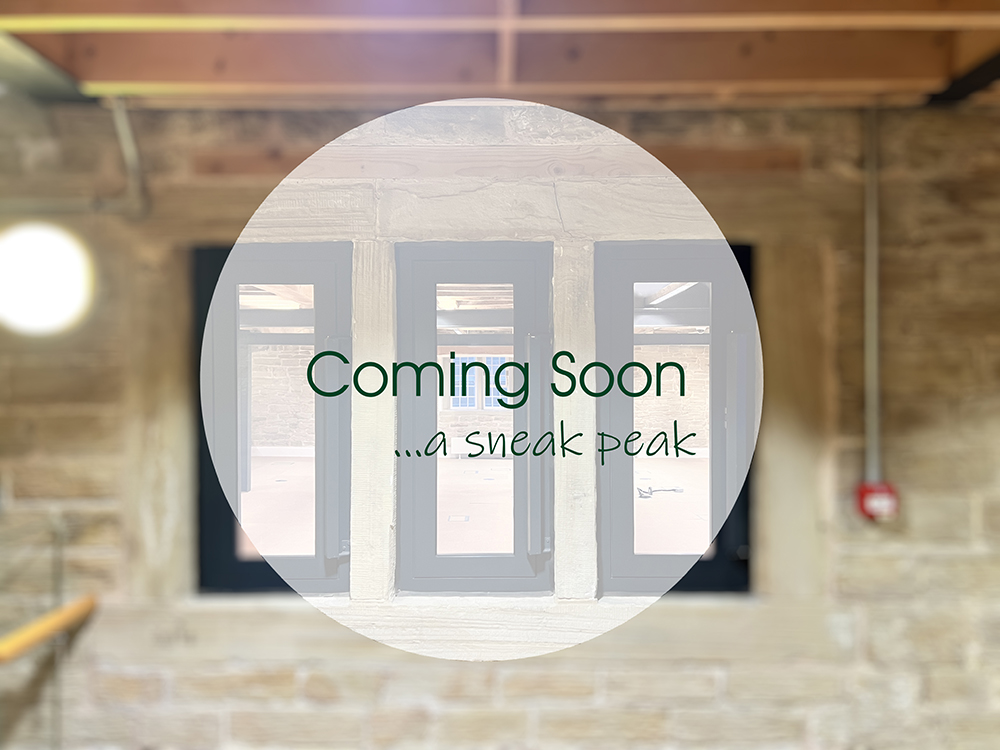
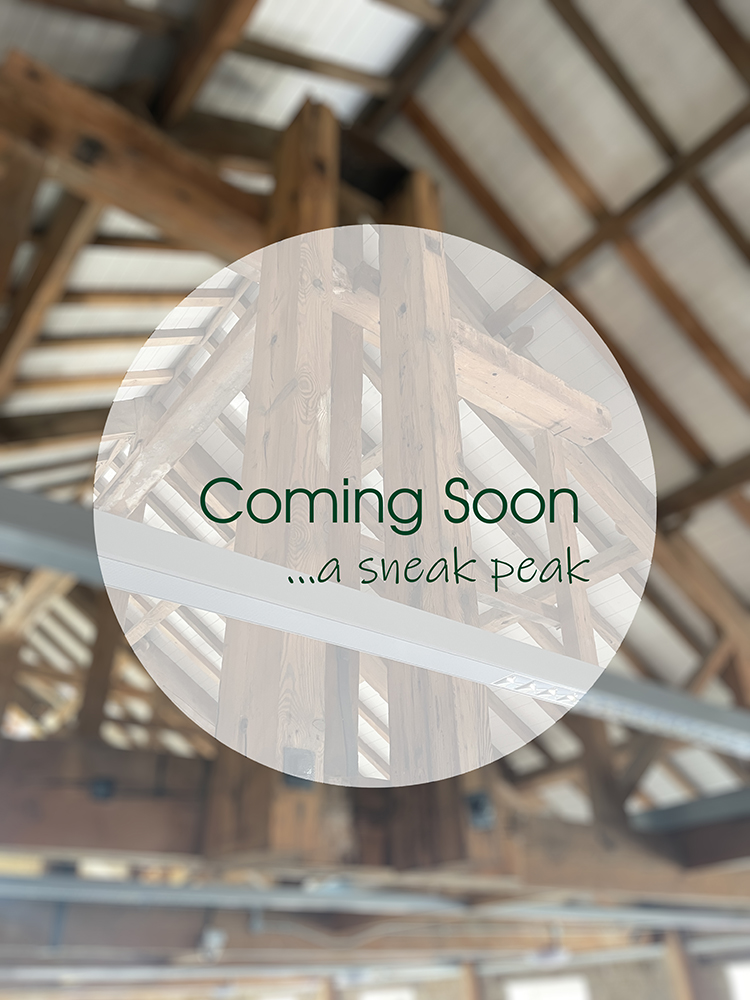


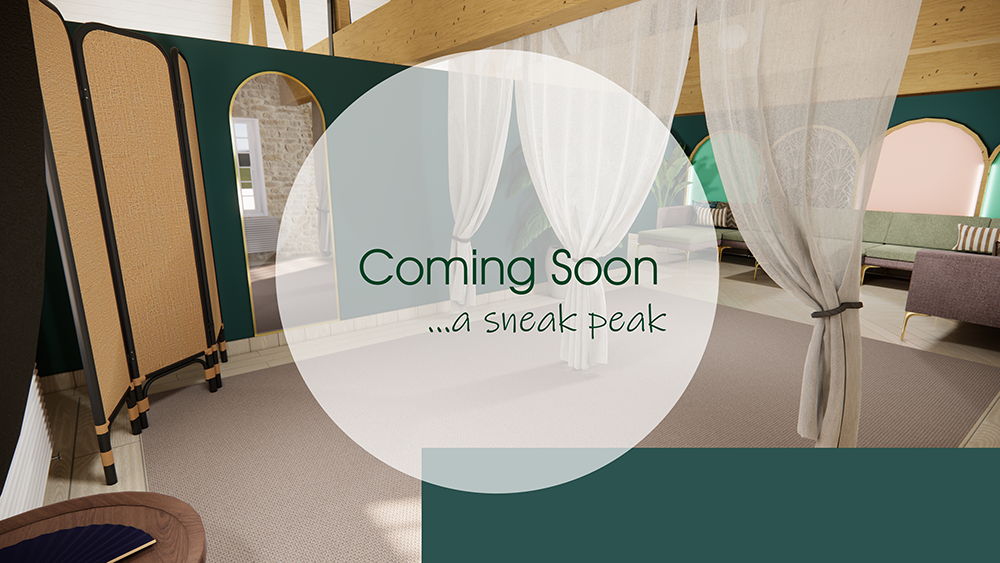
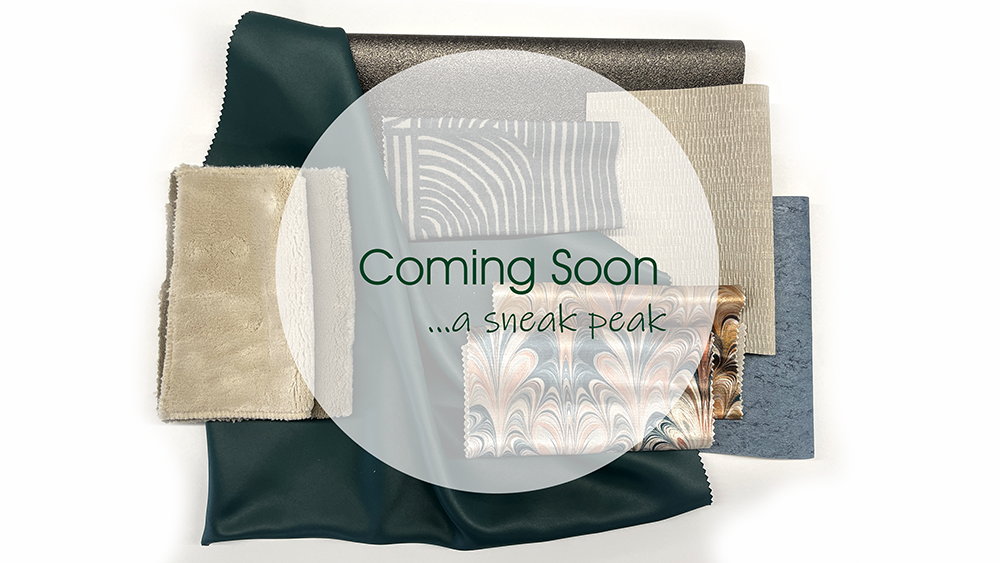
One of the first tasks was to help the client source a suitable site to develop, which proved to be a challenge after exhausting two initial options due to various issues outside of our control. The chosen site, a refurbished industrial building within the emerging cultural quarter in Wakefield, offered a multitude of opportunities but by this stage, budgets had tightened due to costs incurred along the way.
Another aspect to this project was the expertise of the client and their extensive experience of creating and running successful boutiques in other locations. It was clear to us that the best solution that would both meet budget expectations and utilise the expertise of the client, should be to focus on the areas where we could most add value to the project, providing services where we could make a real difference and stripping out anything they didn’t need.
Taking their vision, we provided space planning, brand implementation, and an analysis of the customer journey to augment the retail experience. The scheme recognises the key customer touchpoints, works with the listed characteristics of the building, and has a holistic approach to content creation, ensuring that all customer facing areas are aesthetically pleasing and ‘Instagram-worthy’ rather than a designated area that lacks variation. The space is flexible, meaning it can be easily transformed for events such as collection launches and photo shoots.
In line with budget constraints, the design will be implemented in phases using a design guide that we have produced for this purpose.


Accreditations: BA (Hons) Architectural Venue Design & Digital Innovation
Skills: Adobe Photoshop, InDesign, Illustrator, Autodesk CAD, Computer Generated Images (CGI), Enscape, Project Management, SketchUp, V-Ray
About Sophie
Sophie is an interiors specialist who brings a range of complementary skills to Farrar Bamforth that both enhance the work we already do and create exciting new opportunities that build on our architectural work. Sophie has wide experience across hospitality, retail, and corporate sectors and believes her greatest strength is understanding end users and designing around their various needs. Specific areas of interest include colour theory and biophilia in terms of the impact they can make in the built environment.
And finally…
In Sophie’s opinion, the best thing you can top toast with is cheese and there are strict rules of engagement: the ratio of toast to cheese must be 50:50, the cheese must be strong, and it should be melted to bubble point.
In her spare time, Sophie enjoys a country walk with the dog and the dog always insists on stopping off at a pub or two along the way. She also loves a creative project, seeing something through from design to realisation, ranging from creating wedding stationery to building garden furniture.
×
Accreditations: BSc (Hons) Architectural Technology, MCIAT, CSCS – Professionally Qualified Person
Skills: Autodesk CAD, Autodesk Revit / BIM, Contract Administration, Project Management, Principal Designer, Lumion / Twinmotion, SketchUp, Drone Operator and CAA licence holder
About Joe
As Associate, Joe is Tony’s right-hand man, playing an integral role in running the business and leading the team. Joe focuses predominantly on commercial and industrial clients and is a skilled project manager. Starting his career with Farrar Bamforth in 2010, he briefly went over to the dark side (Leeds) in 2015 but returned to the FBA fold in 2017 to take up a senior management role (and also because we’re awesome!). He introduced BIM and Revit to Farrar Bamforth and is the driving force behind our continued compliance and best practice in this area. His favourite project to date was the Magic Rock Brewery and Bar, in equal parts due to the creativity of the project and his love of beer.
And finally…
A lathering of high-end butter, Lurpak, is all Joe needs on his toast. Joe is a Civil Aviation Authority license holder and drone operator and, when he’s not working, enjoys following Huddersfield Town Football Club, music, travel, and time with the family.
×
A feasibility study allows you to comprehensively evaluate the viability of an architectural project before committing significant investments to it. Viability is assessed from architectural, financial, and environmental perspectives. As well as the functional aspects of the build, it also includes some preliminary designs, allowing you to start visualising the outcome. The process could include a pre-application submission to the planning department for their opinion prior to a formal application. Conducting a detailed feasibility study protects you against the, often costly, ‘surprises’ that can come from not anticipating and taking steps to avoid the pitfalls that come from not being suitably prepared.
×
Following a client consultation, the creative process begins to deliver the initial concept design. This is where the general aesthetic and spirit of a scheme is established. During this process, we explore ideas and think about key aspects such as themes, styles, the look and feel etc. We’ll also start our research, considering the industry, end users, and what can be achieved. A mood board is a tool that we can use to convey the overall feel of the initial concepts, bringing together things like materials, styles, colours, finishes etc.Following a client consultation, the creative process begins to deliver the initial concept design. This is where the general aesthetic and spirit of a scheme is established. During this process, we explore ideas and think about key aspects such as themes, styles, the look and feel etc. We’ll also start our research, considering the industry, end users, and what can be achieved. A mood board is a tool that we can use to convey the overall feel of the initial concepts, bringing together things like materials, styles, colours, finishes etc.
×
We can create a digital 3 dimensional representation of a scheme and present it as though walking through the space. This is an excellent opportunity to get a realistic feel of how the space works, discuss the proposal, and make live changes. It’s immersive, it brings the scheme to life, and it’s an efficient way of fine tuning the design to make it work for everyone.
×
Photo-realistic Computer Generated Images (CGIs) bring a project to life like nothing else, creating a vision of the finished development or interior before a hard hat and hi-vis jacket has even been donned! Our CGI artists transform technical specs into hyper-real representations of what we can deliver.
×
There is a much-used phrase that applies to all design but was specifically coined for architecture: ‘form follows function’ and it’s something that we live by. Primarily, buildings and interios have to work so we listen to our clients when they tell us what the structure needs to do for them. For our commercial and industrial clients, this is often 95% of the brief. For residential projects, whether a housing development or a bespoke high-end dwelling, functionality and aesthetic appeal need to be finely balanced. We are equally skilled in both approaches and always client-led.
×
Together with the key stakeholders, developing and agreeing to a set of design rules and specifications for record and assistance for future expansion. Like a recipe. There can be levels, for client reference, for example, it might be more top level with supplier lists etc for procurement processes - but if a main contractor is to build using the guide, construction level details will be required.
×
Where you locate your development is as important as what you put on it. It needs to be the right location, the right price, the right size, have appropriate access, and plenty of other considerations. We can use our industry knowledge and networks to investigate and source options for land that will work for your brief. Just as we can assist with land disposal, we can also support you to find the right site for your project. This can include introducing you to land owners (often enabling you to buy off-market), and conducting feasibility studies. In terms of planning, we can put your house types onto site to vary any existing planning permissions in place.
×Creating retail interiors truly benefits from specialist knowledge in this area. See our VW Leeds showroom case study for a great example of architecture and interior design working closely together. To discuss your retail interior design requirements, email Sophie Clarkson at sophie@farrarbamforth.co.uk or call 01484 424008 where any member of the team will be pleased to help you.