
This project came from a commercial client, having worked for them on their factory. While this was very different in nature, we had clearly created a good impression and they trusted us to design a bespoke, modern home on a plot within the garden of an existing house.
Taking inspiration from varied sources, the client had curated lots of ideas on a Pinterest board, which they gave us access to and was incredibly helpful in allowing us to see their vision. While the aesthetics of the house were ambitious, the greatest challenge was a functional one; it was set on an incredibly steep site.
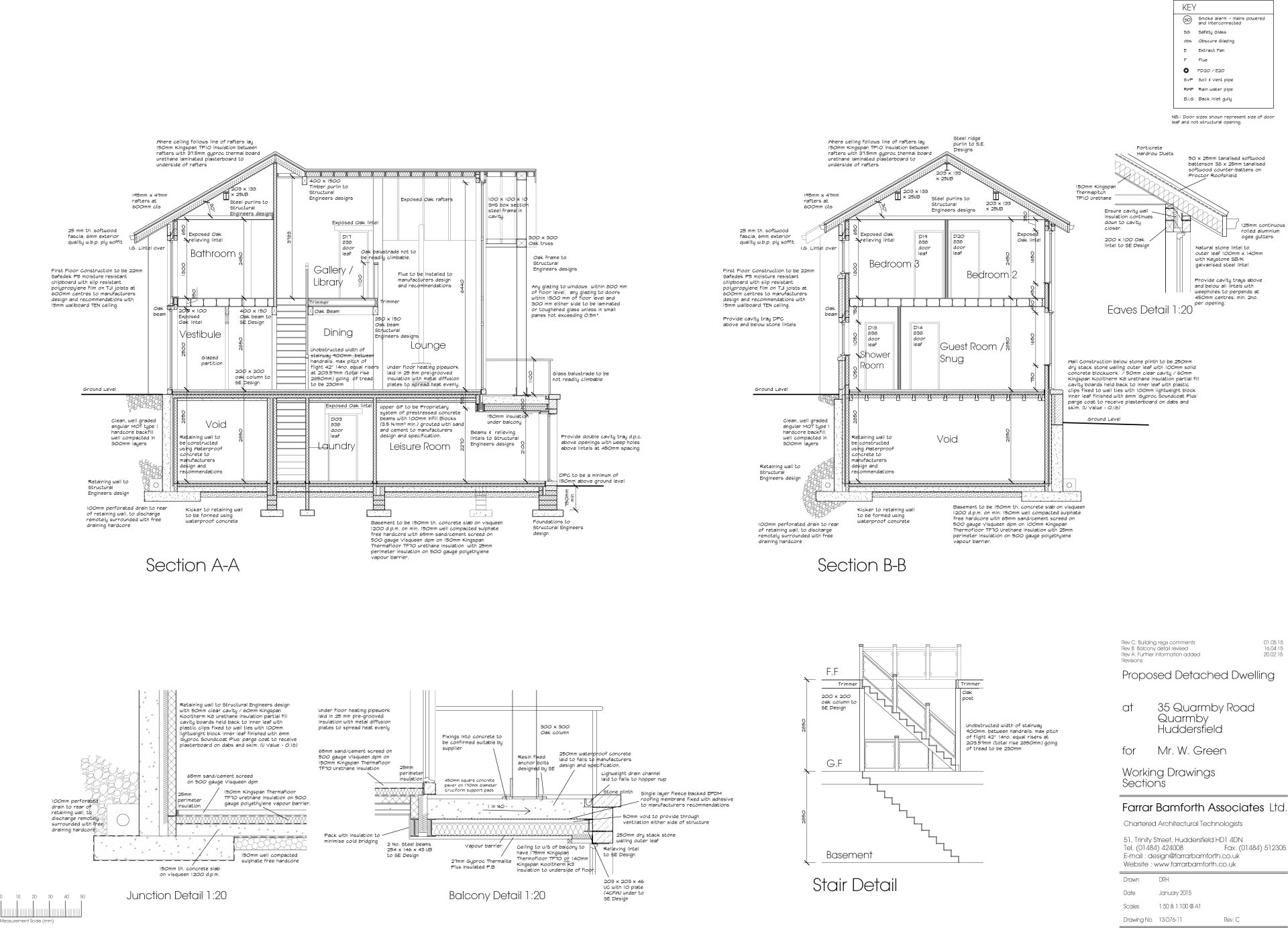
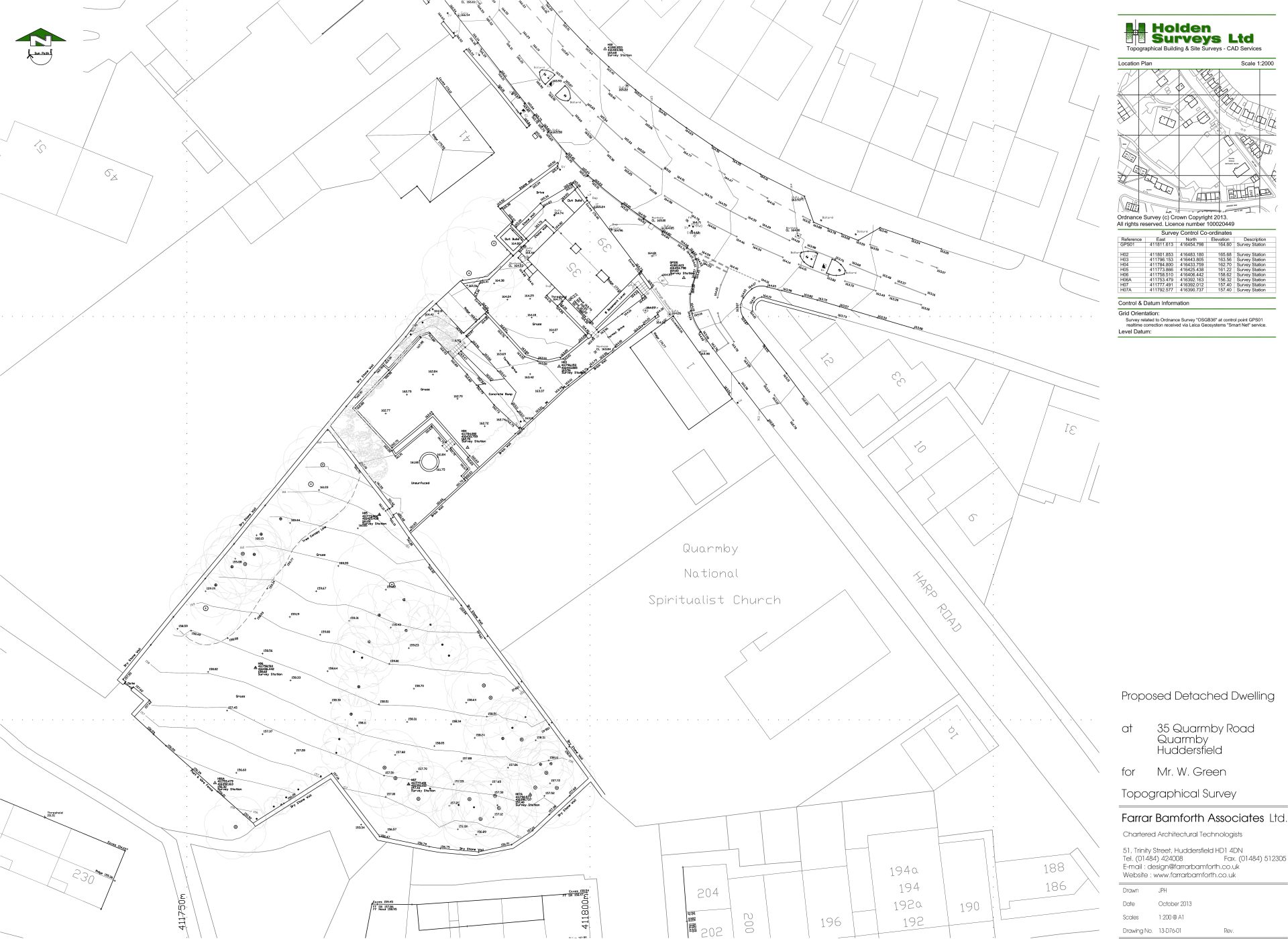
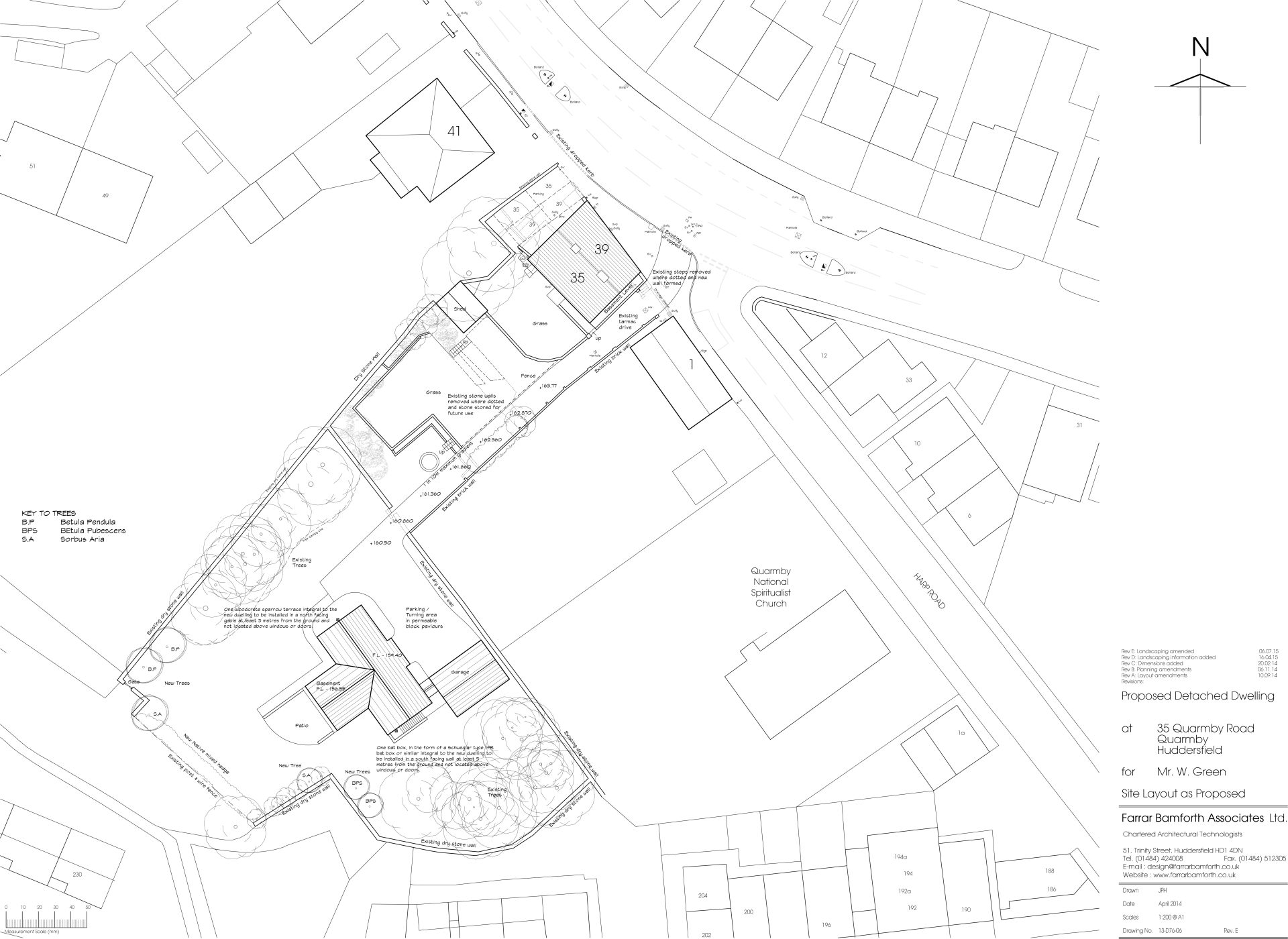

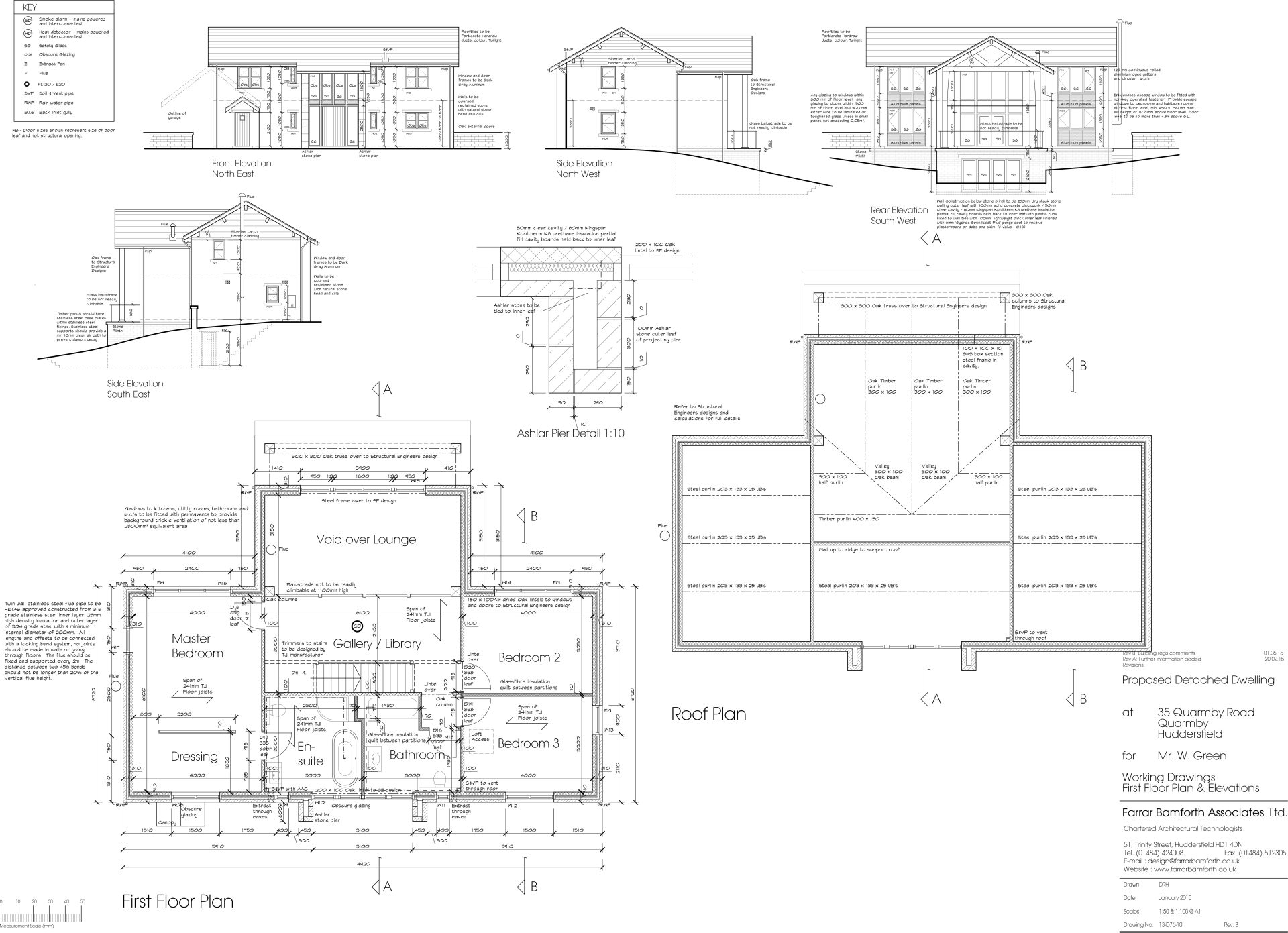

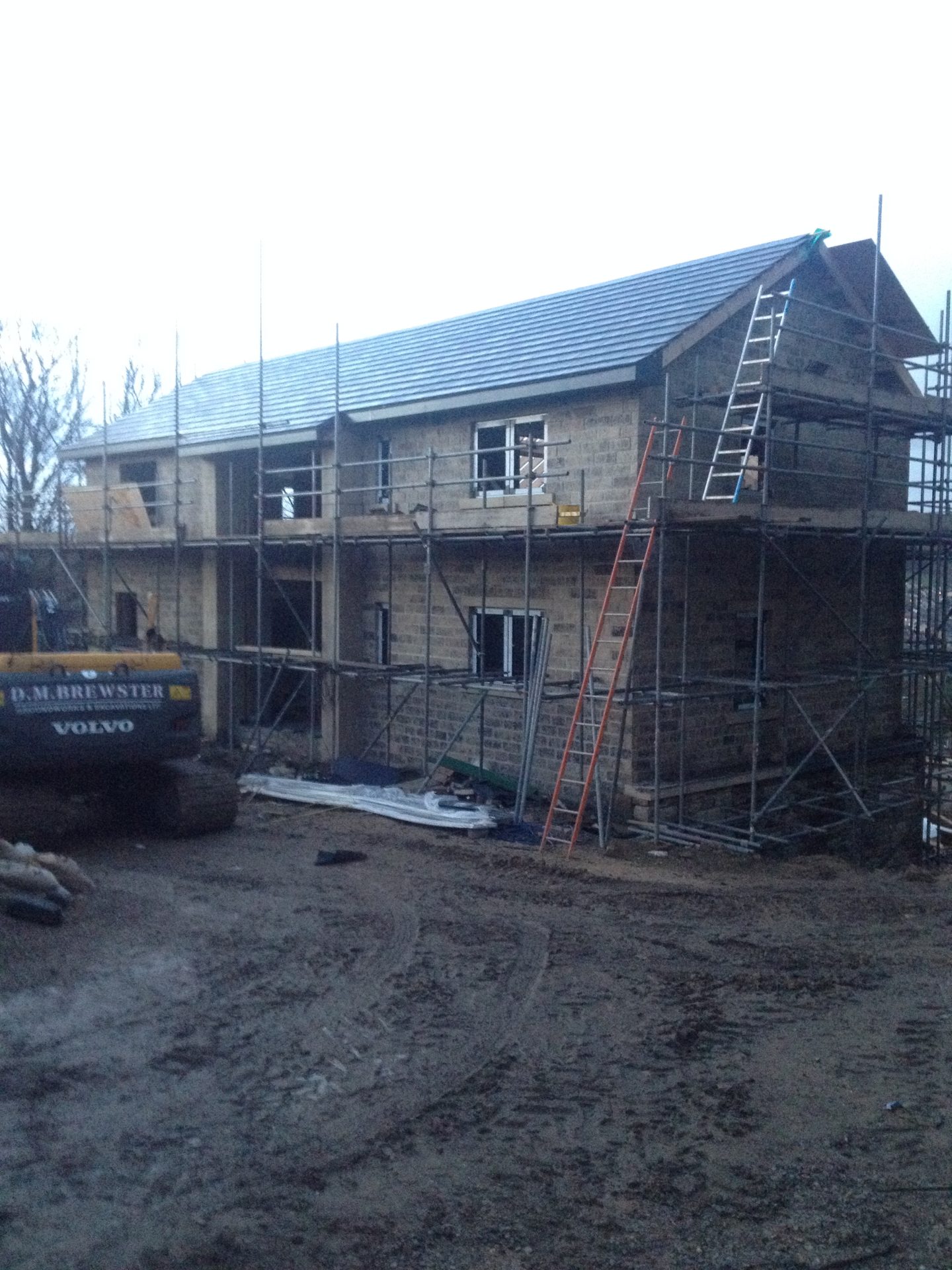
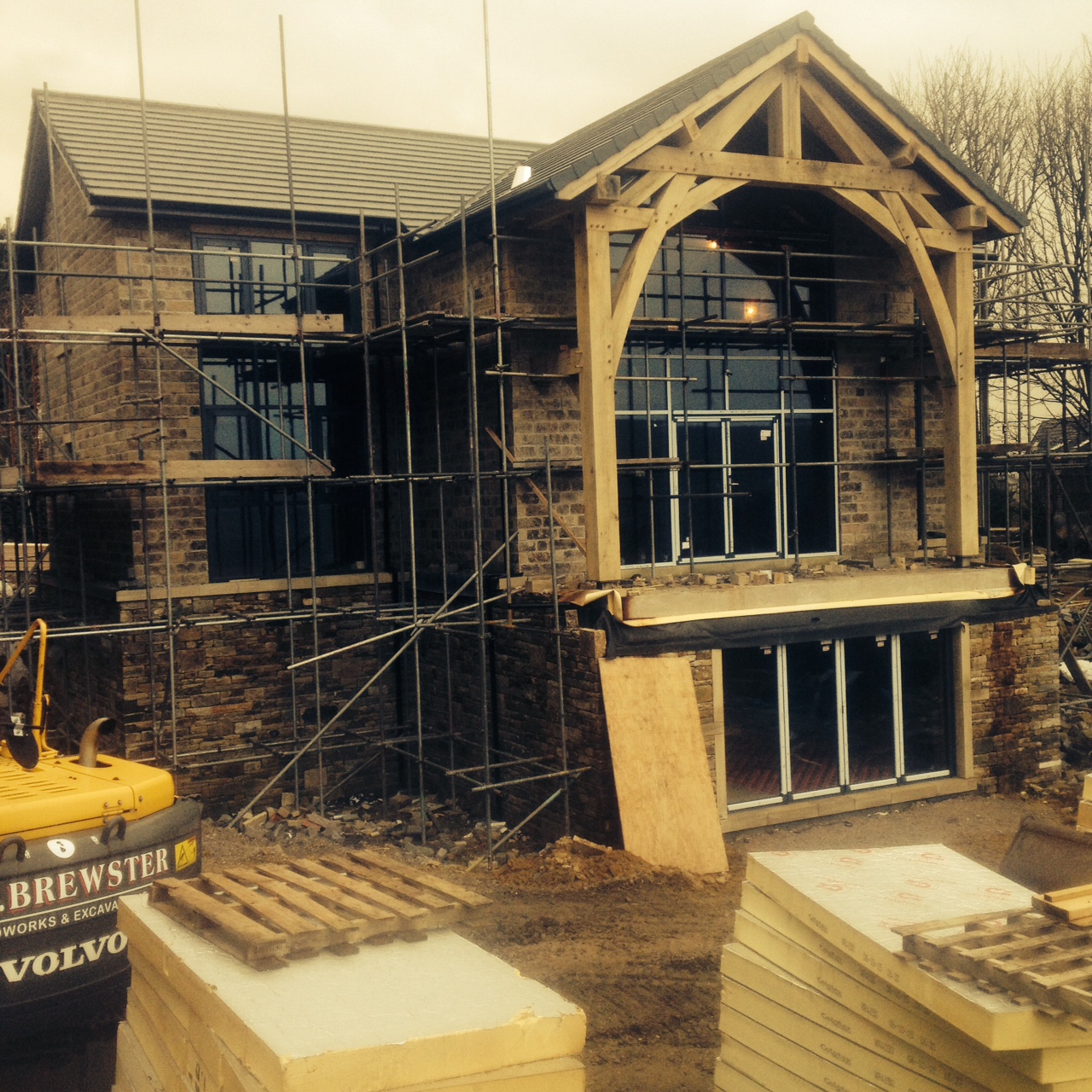
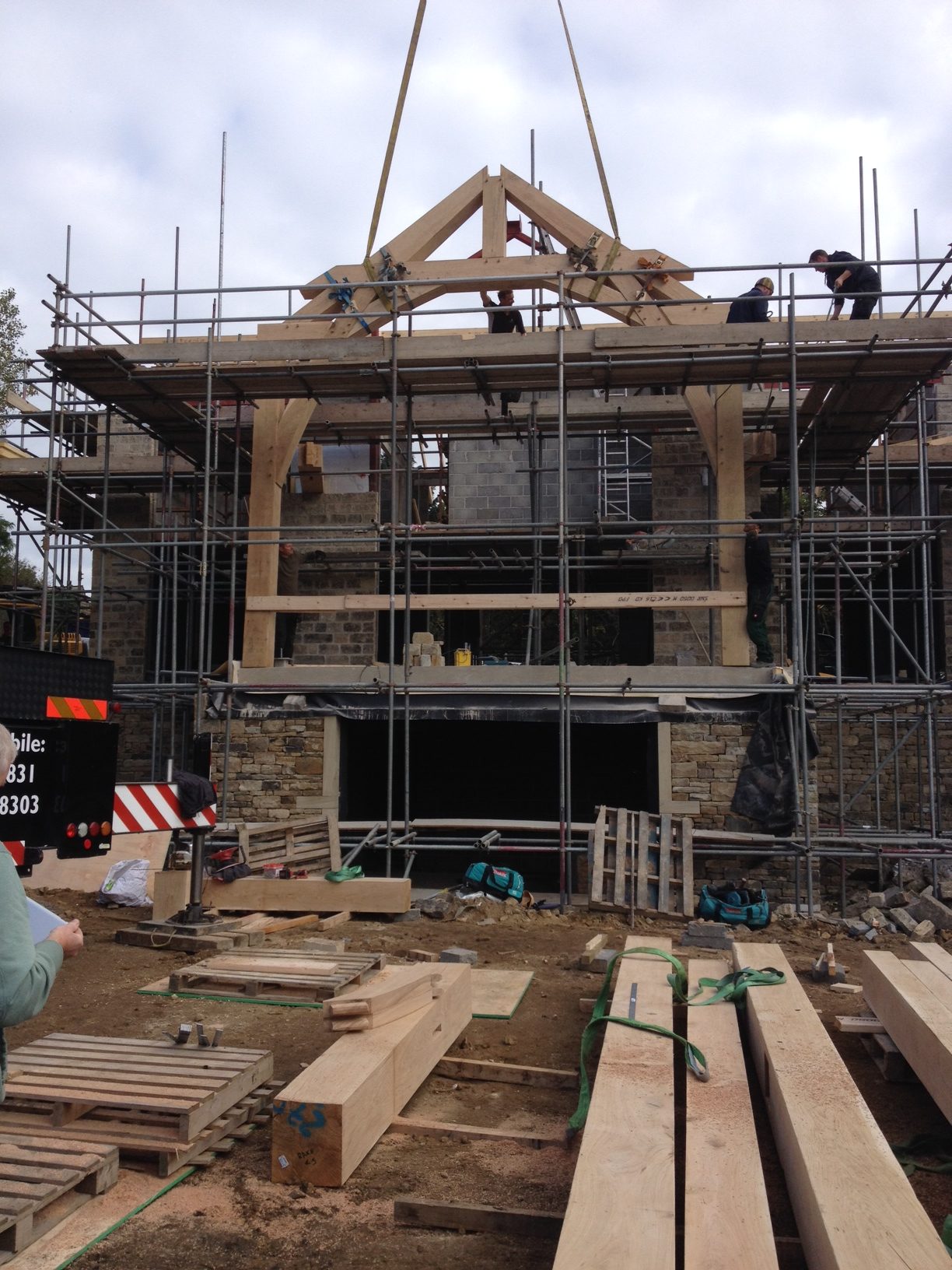
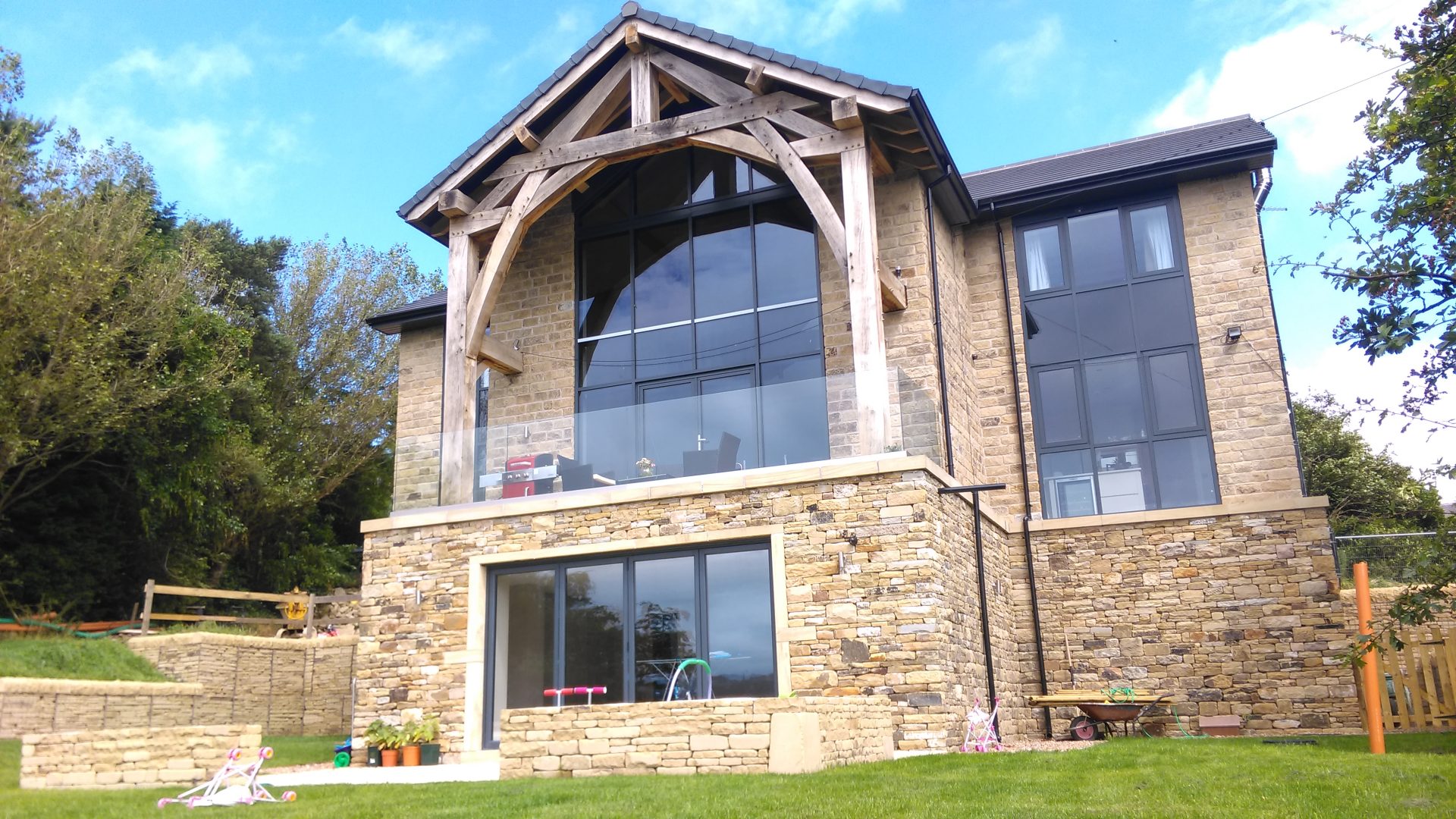
The steeply sloping site was ideal for a split level home with two storeys to the front and three to the rear. Retaining walls were required to deal with the steep nature of the site and form the lower ground floor level. As per their ideas, we created a home with the following features:
The outcome is a truly impressive home that stayed very true to the vision they had set out in their original idea boards. Even with the engineering challenges of the site, design features, and signature oak frame, we stayed within a very tightly controlled budget and the client was very happy with the outcome.

A topographical (topo) survey is essential for determining the physical features of a piece of land before building on it or adapting existing structures. It creates an accurate assessment of factors such as boundaries, surfaces, and gradients. Types of survey will differ (depending on the land) but all will provide you with a meaningful analysis of the characteristics of the land and any limitations they create. Topo surveys must be undertaken by specialist topographical surveyors. We can advise on and coordinate this on your behalf.
×
A feasibility study allows you to comprehensively evaluate the viability of an architectural project before committing significant investments to it. Viability is assessed from architectural, financial, and environmental perspectives. As well as the functional aspects of the build, it also includes some preliminary designs, allowing you to start visualising the outcome. The process could include a pre-application submission to the planning department for their opinion prior to a formal application. Conducting a detailed feasibility study protects you against the, often costly, ‘surprises’ that can come from not anticipating and taking steps to avoid the pitfalls that come from not being suitably prepared.
×
There is a much-used phrase that applies to all design but was specifically coined for architecture: ‘form follows function’ and it’s something that we live by. Primarily, buildings and interios have to work so we listen to our clients when they tell us what the structure needs to do for them. For our commercial and industrial clients, this is often 95% of the brief. For residential projects, whether a housing development or a bespoke high-end dwelling, functionality and aesthetic appeal need to be finely balanced. We are equally skilled in both approaches and always client-led.
×
Applying for and gaining the appropriate planning permission is a vital element of the architectural process; without it, you can’t proceed. Planning policy can be complex and, if not navigated correctly, can be time consuming and, sometimes, unsuccessful. We know planning. We understand the policies and the application requirements; in fact, we have a track history of securing planning permission on complex sites that initially seemed problematic.
×
Building regulations are simultaneously the rules that keep us safe and the requirements that give architects and builders headaches as they strive for compliance with ever-evolving specifications. Not a problem for us though, as several members of the team live for the minutiae and details of regulations, and standards so we’re all over them. That not only means that your development complies with (and often, exceeds) building regs but that we also know the strategies for working with regulations in ways that don’t compromise creativity, function, or budgets.
×Got ideas about your own dream home? Why not contact Tony to share your Pinterest board or scrap book or just discuss your ideas and inspirations. Contact Tony Bowling at tony@farrarbamforth.co.uk or 01484 424008.