

This was a very defined project, producing photo realistic visuals of a property type that the client could use for marketing purposes, in order to represent the style, standard, and level of details typical in a YCP home.
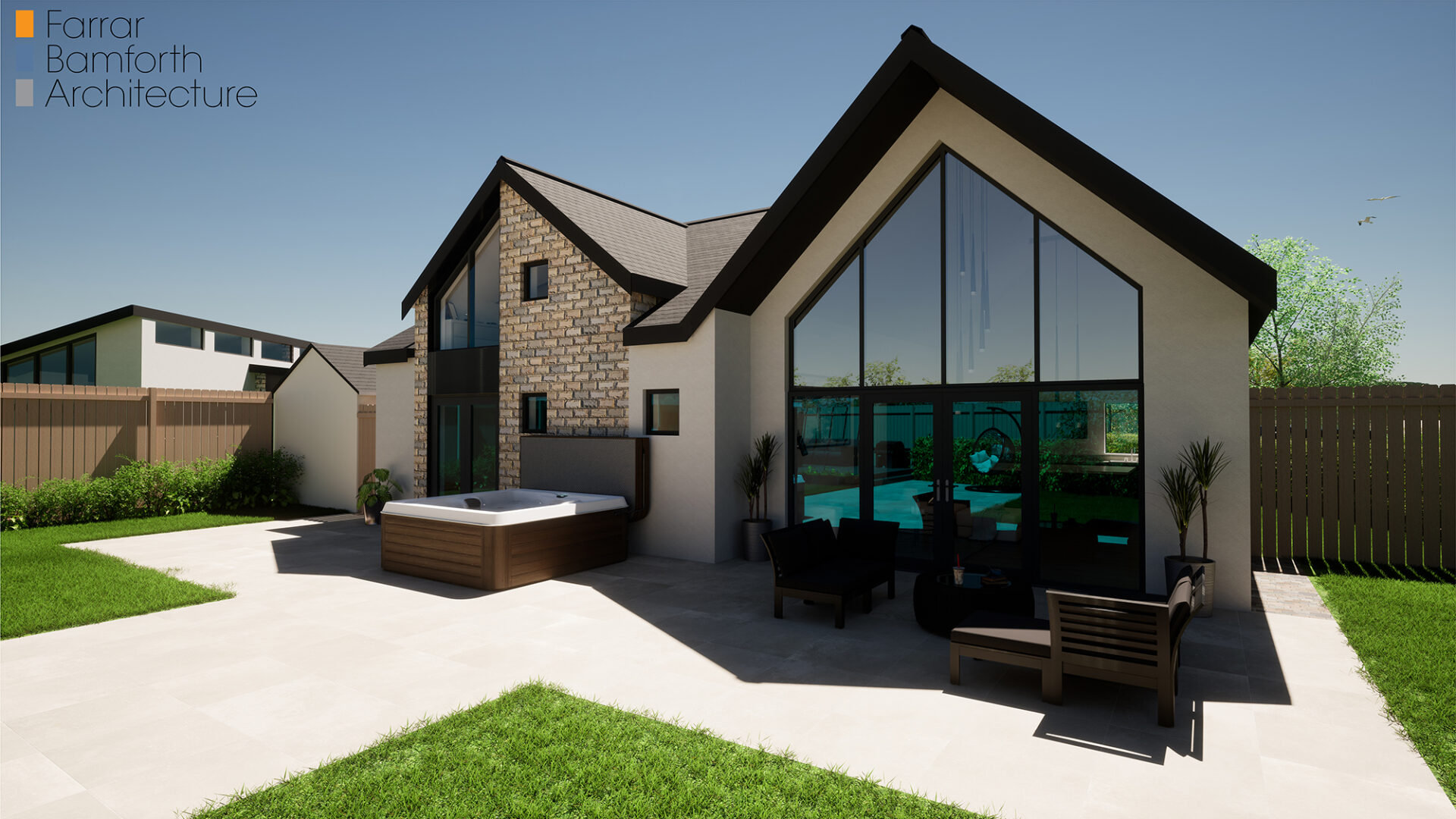
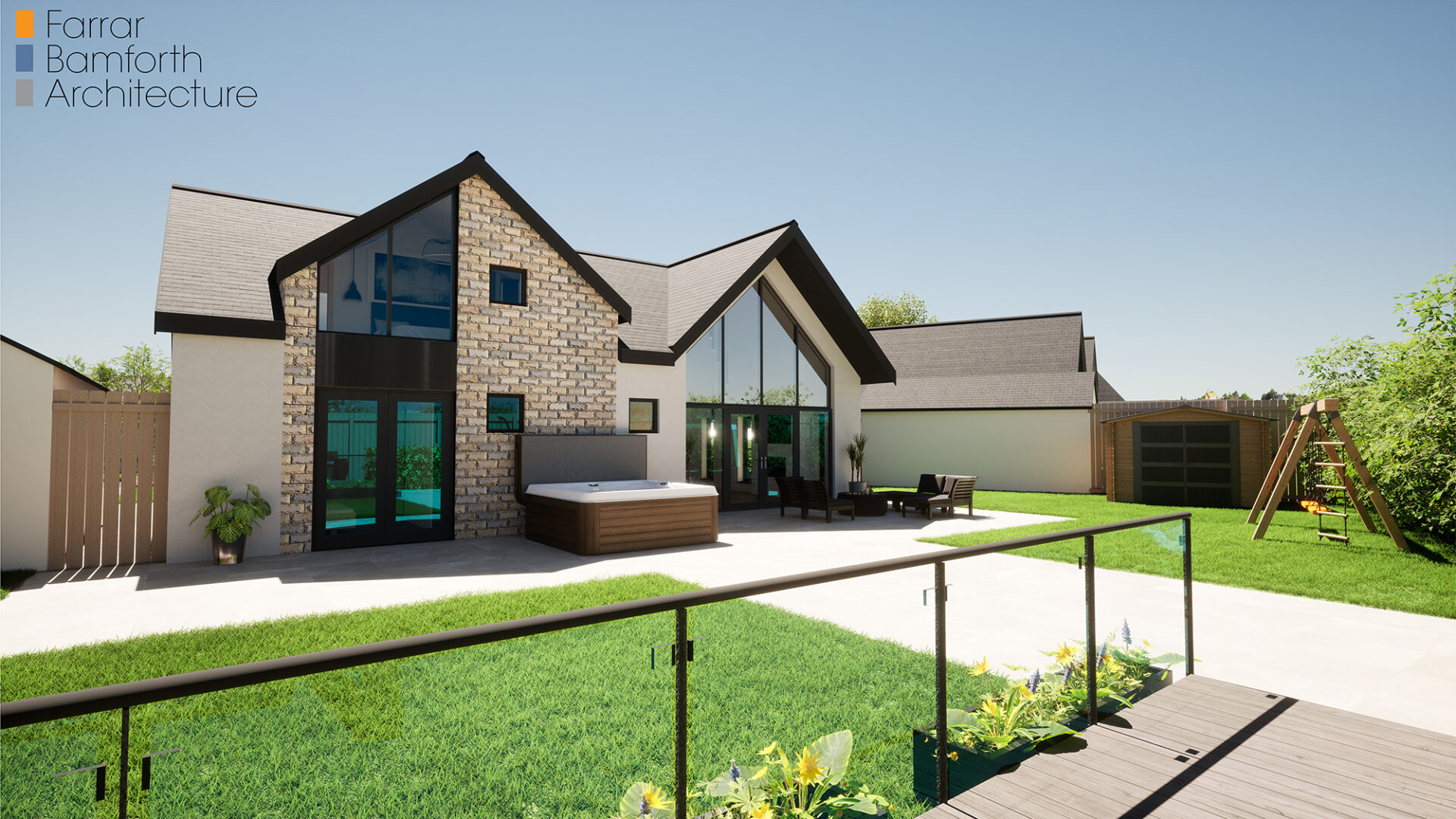

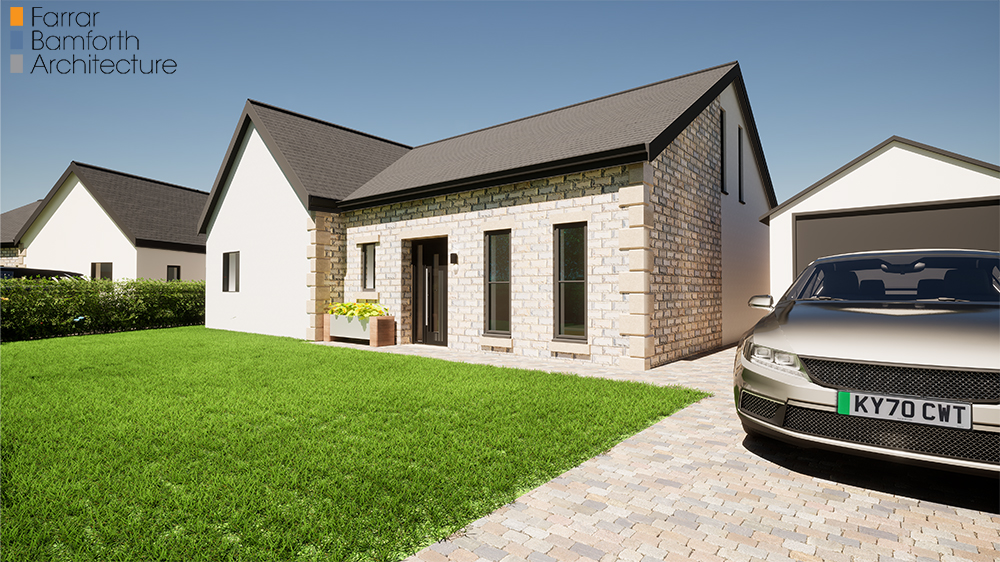
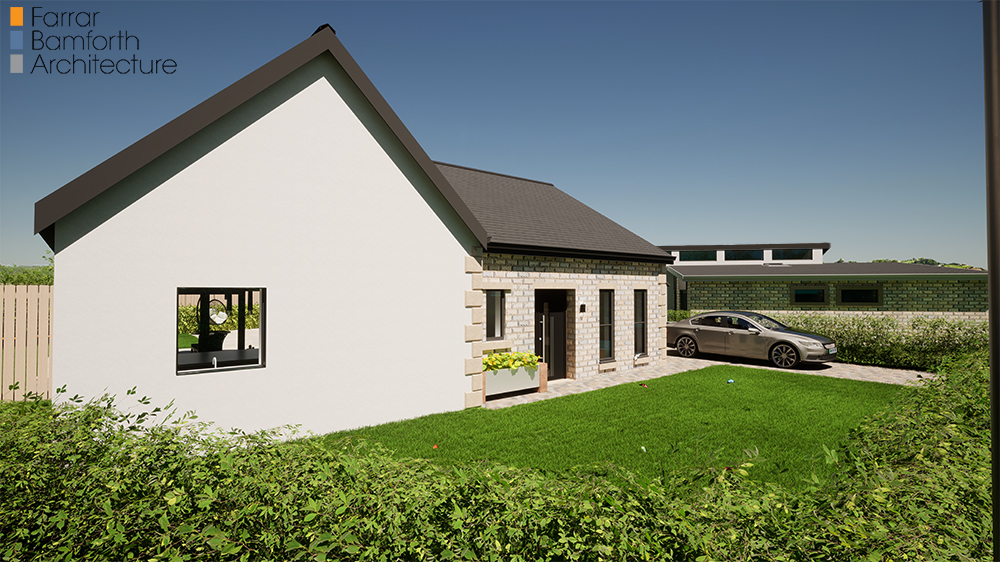
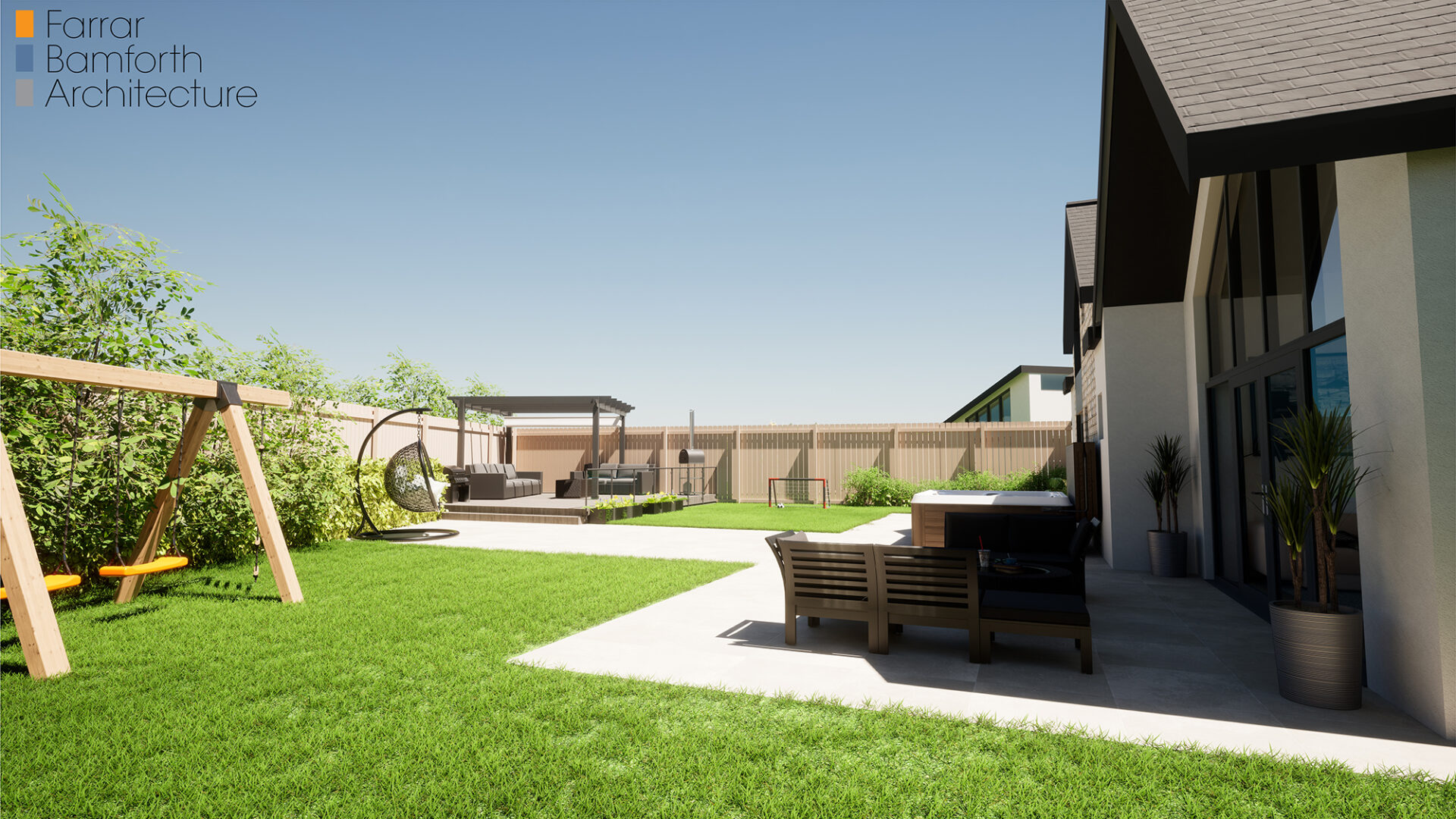


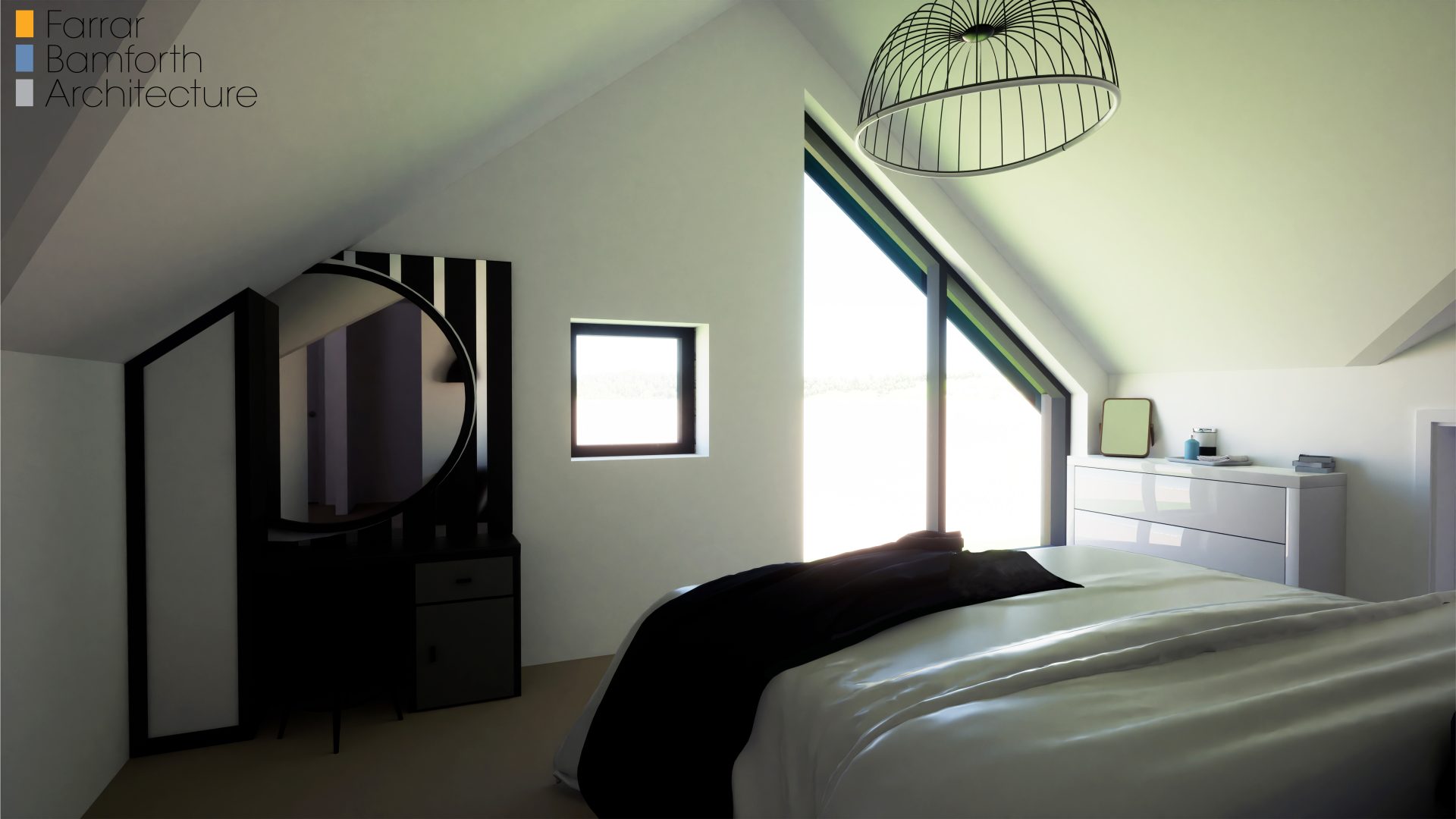
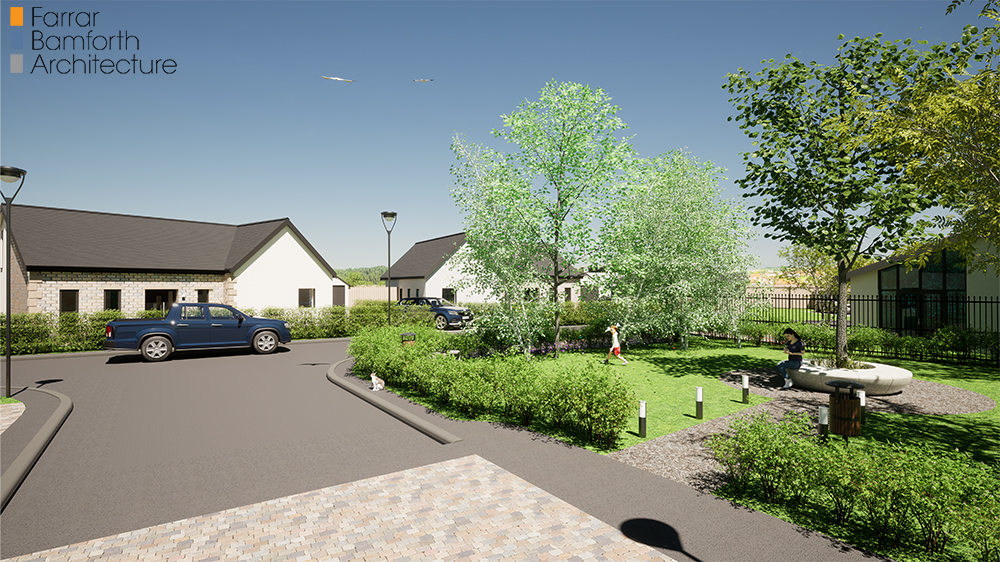

We initially offered 3 bungalow design options; a traditional design, a highly contemporary design, and one halfway between the two. The client surprised us by choosing the contemporary design, reflecting that those seeking single storey dwellings now are looking for something much more modern than they would have 20 years ago and the style of bungalows needs to evolve.
Working closely with the YCP design team, we took our basic 3D models into rendering software to create a hyper realistic representation of the property. Every detail was researched to truly characterise a YCP home, including paint colours, pictures, window frames, and materials, including stone types.
A collection of 4K visuals were created that included details, realistic images of interior and exterior of the house type, remaining in line with the YCP brand and designed to perfectly demonstrate all the key features and selling points of the property to prospective buyers.
Accreditations: BSc (Hons) Architectural Technology, ICIOB – Incorporated Chartered Institute of Building, CIAT affiliate
Skills: Autodesk CAD, project management, specification writing, contract administration, principal designer, knowledge of building regulations, energy performance of buildings, designing for neurodiversity.
About Tony
Tony is the Big Dog of Farrar Bamforth Architecture. Starting his career here in 1999, he acquired the business and became Managing Director in 2018. Tony loves process driven buildings; creating buildings that can make a positive impact on business performance and people’s lives. Tony takes an intuitive approach to architecture and can often be found in buildings waving his hands around to indicate where rooms should go. He’s also a ‘fixer’; solving problems and dealing with the difficult issues others would rather delegate. Think ‘Mr Wolf’ in Pulp Fiction but with building regulations rather than dead bodies.
In his many years with the company, his favourite project so far has been Berendsen Laundry in Durham. A £5million build and £5million fit-out, Tony was involved from start to finish and enjoyed the perfect combination of interesting job, great client, and good team of contractors and consultants.
And finally…
Tony’s favourite toast topping is two rashers of bacon, brown sauce, and another slice of toast. That’s a sandwich Tony (there’s always one 🙄). When not standing in buildings waving his arms around, he can often be found at heavy metal or Adam Ant concerts, supporting Wakefield Trinity, playing touch rugby, or watching bad car chase movies. Though not, apparently, the Fast and the Furious (too bad).
×
Accreditations: BSc (Hons) Architectural Technology, ACIAT
Skills: Adobe Photoshop, Autodesk CAD, BIM / Autodesk Revit, Computer Generated Images (CGI), SketchUp, Twinmotion
About Nathan
Joining us in 2023. Nathan is one of the freshest faces at Farrar Bamforth but he’s already making an impact. Nathan pursued a career in architecture due to a desire to create spaces that have a positive impact on both people and the environment and his favourite project so far was a residential development in Calderdale which made use of BIM to design a mix of dwellings on a multi-level site. He is also a regulation and policy enthusiast, and devoted to all the small details that help to keep us compliant. It was this attention to detail that helped secure him a promotion from Junior Architectural Technologist to Architectural Technologist in January 2024. See more here.
And finally…
Nathan’s favourite toast topping is… butter. In Nathan’s words “let’s make the world a butter place”. When not at work, Nathan enjoys baking cakes (more butter!) and then wondering where they’ve gone. We’re sure you feel ‘butter’ for knowing that 🙄
×
A feasibility study allows you to comprehensively evaluate the viability of an architectural project before committing significant investments to it. Viability is assessed from architectural, financial, and environmental perspectives. As well as the functional aspects of the build, it also includes some preliminary designs, allowing you to start visualising the outcome. The process could include a pre-application submission to the planning department for their opinion prior to a formal application. Conducting a detailed feasibility study protects you against the, often costly, ‘surprises’ that can come from not anticipating and taking steps to avoid the pitfalls that come from not being suitably prepared.
×
There is a much-used phrase that applies to all design but was specifically coined for architecture: ‘form follows function’ and it’s something that we live by. Primarily, buildings and interios have to work so we listen to our clients when they tell us what the structure needs to do for them. For our commercial and industrial clients, this is often 95% of the brief. For residential projects, whether a housing development or a bespoke high-end dwelling, functionality and aesthetic appeal need to be finely balanced. We are equally skilled in both approaches and always client-led.
×
Applying for and gaining the appropriate planning permission is a vital element of the architectural process; without it, you can’t proceed. Planning policy can be complex and, if not navigated correctly, can be time consuming and, sometimes, unsuccessful. We know planning. We understand the policies and the application requirements; in fact, we have a track history of securing planning permission on complex sites that initially seemed problematic.
×
Building regulations are simultaneously the rules that keep us safe and the requirements that give architects and builders headaches as they strive for compliance with ever-evolving specifications. Not a problem for us though, as several members of the team live for the minutiae and details of regulations, and standards so we’re all over them. That not only means that your development complies with (and often, exceeds) building regs but that we also know the strategies for working with regulations in ways that don’t compromise creativity, function, or budgets.
×We have created CGI visuals for a range of projects. See our case studies for VCEP Ltd and Wakefield Trinity Community Hub. If you are interested in contemporary design and photo realistic CGIs, contact Megan on megan@farrarbamforth.co.uk or call anyone in the team on 01484 424008, and they’ll be pleased to help.